
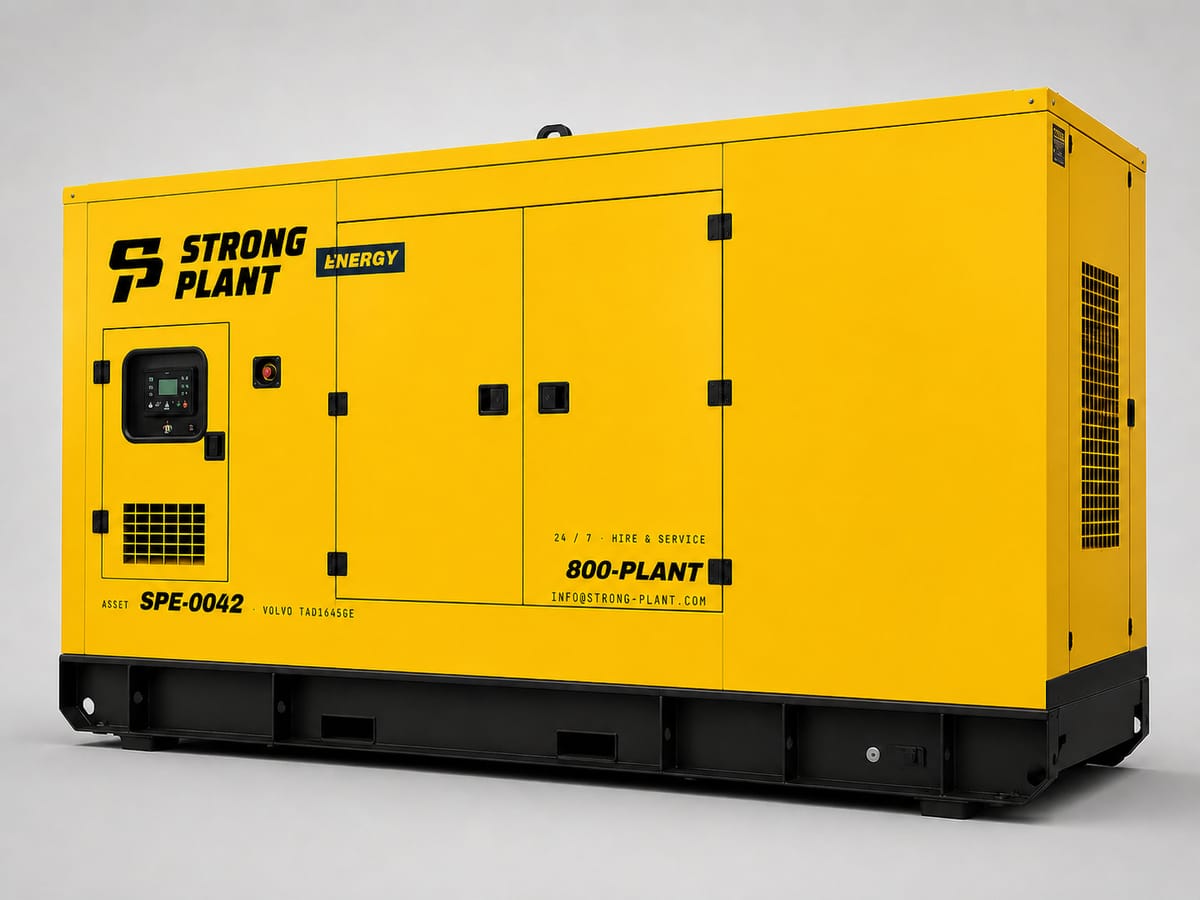
A standalone diesel genset is most efficient at 70–85 % of its rated load. Run it at 20 % overnight, or at 5 % during a hospitality compound's 03:00 trough, and you burn fuel grossly out of spec: poor thermal efficiency, wet stacking, and an injector deposit problem that shortens the engine.
Hybrid is not a marketing wrapper for a battery. It is a controller that runs the genset only when the battery needs charging — and the battery covers everything else.
Where the savings come from
- 01Engine cycling: instead of idling overnight, the genset starts, charges the battery to a setpoint, and stops. Total run-hours drop sharply.
- 02Load placement: when the genset does run, it runs near its efficient sweet spot, charging the battery quickly.
- 03No idle: there is no low-load running at all. Idle hours, the worst fuel-per-kWh case, are eliminated.
- 04Cold-start protection: the controller pre-warms before high-load events so the genset never starts cold under load.
Where it pays back fastest
- Hospitality compounds with night-time loads under 15–20 % of genset nameplate.
- Telecom sites with steady low load plus rare high-load events.
- Event compounds with daytime peaks but quiet overnights.
- Off-grid construction camps with variable load through the day and very low load overnight.
How we size it
Sizing is engineer-led, not catalog-driven. We need three things from your site: a 24-hour load curve (or a representative week), the ambient temperature range, and the maximum tolerable mains-loss-to-restoration time for any standby-grade load. From those, we size the genset for the high-load case and the battery for the runtime envelope.
What's in the package
- Genset
- Sound-attenuated, sized to load
- Battery
- Lithium stack with BMS
- Controller
- Hybrid management with telemetry
- Commissioning
- Load-bank test + commissioning report
- Service
- 24/7 on-call, with telematics